Newport Harbor or Open Coast: Choosing Your Experience
In Newport Beach, the best water plan begins with your guest list and the purpose of the day.
Begin with the people aboard
A Newport Beach outing can be designed around very different moments: catching up across generations, entertaining clients, marking an anniversary, or giving friends a stretch of time outdoors. Ask who will feel most at ease aboard, what you want them to do together, and whether the water itself is the centerpiece or the setting. That answer often makes the harbor-versus-coast question easier.
A harbor-centered preference favors an unfolding social scene: close views, a slower rhythm, and conversation as the main event. An open-coast preference gives greater weight to horizon, sea air, and the distinct feeling of leaving the protected setting. Those are descriptions of mood, not guaranteed itineraries. The professional operator must determine whether a particular vessel and day support either plan.
Understand the harbor’s pace
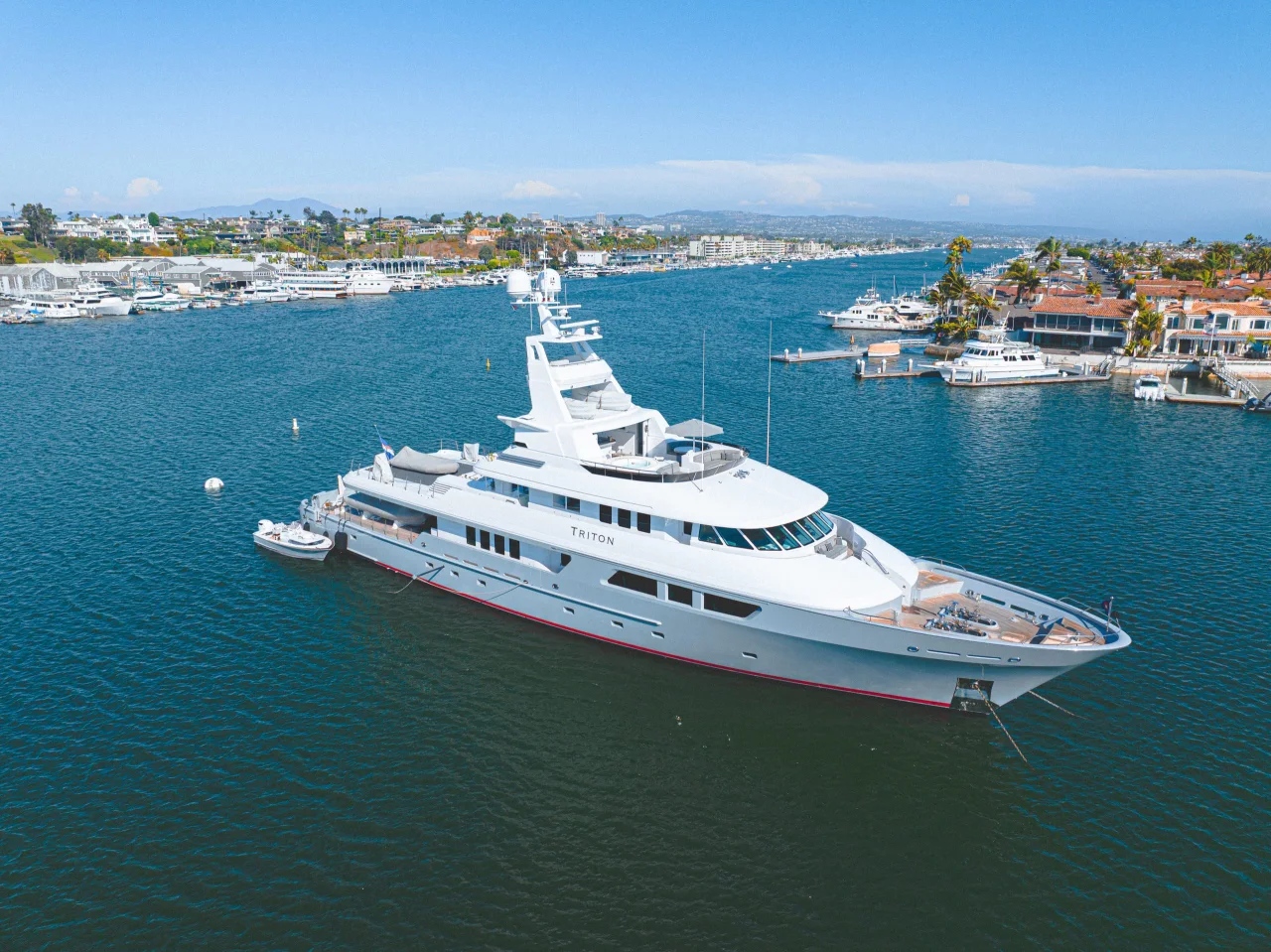
Newport Harbor is an active shared waterway. The City of Newport Beach says its no-wake rule and five-mile-per-hour speed limit apply from the harbor entrance throughout the harbor. The city also describes a main channel running beside the Balboa Peninsula and through residential waterfront areas. If you want an occasion that allows guests to notice details and stay in the conversation, this regulated pace may be part of the appeal.
It also calls for appropriate expectations. A harbor plan is not a fast tour, a private waterway, or a guarantee of still water. Other vessels and changing conditions are part of the scene. For an event with a speech, plated food, or guests who want to remain seated, ask how the proposed boat handles the planned activity and where it could take place comfortably.
Decide what the coast is worth to your group
Open water can give a private gathering a different scale. More horizon may be exactly what a celebration or a quiet escape needs. Yet some guests would rather keep the focus on each other than on the boat’s movement. Ask yourself whether the coast is essential to the occasion or a welcome possibility if conditions cooperate.
That distinction changes how you plan the rest of the event. If the ocean outlook is essential, tell AFT before discussing a vessel so suitability can be assessed. If it is optional, protect the parts that matter more: perhaps a relaxed meal, time with a visiting relative, or an uninterrupted client conversation. A forecast is a live input, and the route decision belongs to the operator.
Match the occasion to a planning priority
Use this quick occasion map as a starting point, then adjust it for the actual guests:
| If the day is about... | Protect this first |
|---|---|
| Conversation or a family reunion | Seating, audibility, ease of moving around, and a pace that leaves time together. |
| A visual celebration | Where and when photos matter, and whether an ocean backdrop is essential or optional. |
| A hosted meal | Food service, guest comfort, timing, and a contingency if conditions change. |
| Being out at sea | Vessel suitability, the operator’s weather threshold, and the alternate plan. |
The table helps you rank needs; it does not imply a specific yacht, route, or service is available.
Set the guest experience before sending invitations
Write down your estimated group size, any children or guests who need boarding assistance, and the moments that require everyone together. Share the preferred date and what flexibility you have. Ask the operator about the exact boarding point, arrival lead time, accessibility, indoor and outdoor seating, restroom access, food arrangements, and guest count permitted on that particular vessel. These details are specific to the option proposed; a public harbor map cannot answer them for your charter.
If a speech, music, or photography is important, explain the timing rather than assuming it can happen anywhere on the water. Newport Harbor has rules intended to protect many users of the harbor. The operator can tell you how your idea fits the setting and any applicable restrictions.
Turn a preference into a workable proposal
A concise inquiry might read: “We are planning an anniversary for a mixed-age group. We would enjoy Newport Harbor, and we are curious about open coast if the vessel and conditions suit it. A relaxed meal matters more than distance traveled.” Add your date and estimated guest count. Then ask what portion of the proposed outing could be harbor-based, whether open water is possible, when that decision is made, and what the guest experience becomes if the plan changes.
Explore Newport Beach private charter planning or read how AFT handles inquiries. AFT develops the brief and coordinates with professionally operated partner vessels; the operator confirms vessel, route, and operating terms before you decide whether to proceed.
Sources and further reading
Local context was checked against the sources below. Conditions and operating requirements can change; confirm the plan with the relevant operator.