Planning a Private Event on a Yacht
A yacht changes the shape of an event: arrivals happen together, space has to work for the whole guest list, and every part of the program needs a place. Plan the experience before choosing the backdrop.
Decide what the gathering is for
A birthday dinner, a client reception, and a team celebration may all look elegant in photographs. They need different plans. Write down the purpose of the event and the one moment that matters most: a toast, a meal, a presentation, or unhurried conversation. Build around that moment, then let the rest of the schedule breathe.
Make a second list of things the event does not need. If your guests are coming to reconnect, a long program may work against you. If a product demonstration is the point, decide what the audience must be able to see and hear before choosing a vessel for its exterior.
Design the arrival and guest experience
Start with a realistic guest estimate and the people behind it. Are guests arriving independently, with colleagues, or from another event? Who needs detailed directions, an accessible boarding arrangement, a seat for the duration, or a quieter place to talk? Bring these needs into the first brief so a proposed operator can explain what its vessel and boarding setup can actually support.
Plan the first fifteen minutes with care. Name the person who greets guests, the point where they check in, where they should go once aboard, and how late arrivals will be handled. Confirm those details with the operator before putting them in an invitation. For a private celebration, this might be simple. For a corporate event, it may need a guest list owner and a host who is free to welcome people rather than solve logistics.
Choose space for the program you actually have
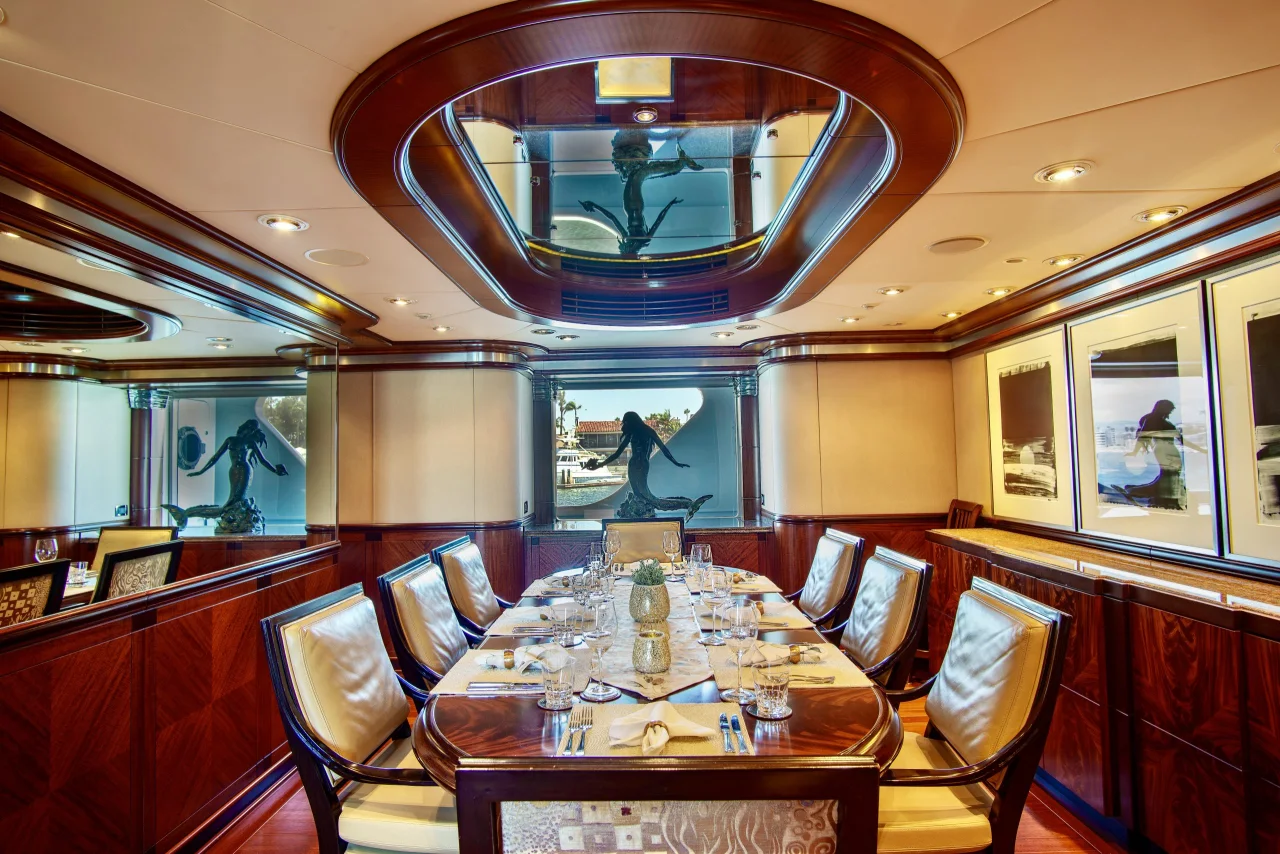
Ask how the proposed vessel would be arranged for your particular guest count and format. A seated dinner needs a different layout from mingling with passed food. A short toast needs a place where people can gather and hear it. Ask about usable indoor and outdoor areas, seating, shade, restrooms, and the flow between spaces. A layout, site visit, or detailed walkthrough can expose mismatches that photos do not show.
If you are bringing décor, gifts, printed materials, photography gear, or presentation equipment, list each item. Ask what may be brought aboard, what power or setup space is available, who handles loading, and when setup must be complete. The operator should confirm vessel-specific limits and operating details; AFT helps shape the event brief with professionally operated partners.
Make hospitality and production one plan
Choose food around the event's pace. A formal meal gives the group a shared center; lighter service can leave more room for movement and conversation. Confirm who supplies food and beverages, how dietary needs are collected, whether outside vendors are permitted, and who manages service. If the event includes a speech or recording, schedule it away from food service and ask where equipment can be placed.
For brand or client events, settle content expectations early: what must be photographed, who gives approval, whether logos or product displays are part of the setup, and who owns any deliverables. The Los Angeles corporate events page offers a starting brief for that kind of gathering; the same planning questions apply when the city changes.
A compact run of show to adapt
Give this outline to the people handling the event. Replace the labels with actual times only after the boarding and event window are confirmed.
- Before guests: Vendor arrival, permitted setup, final layout check, food and beverage readiness, host briefing.
- Guest arrival: Directions and check-in, welcome, where guests go first, late-arrival contact.
- Opening: Short welcome and any practical information guests need from the crew or host.
- Main experience: Meal or reception, conversation time, one planned highlight or presentation.
- Close: Final remarks, personal items, disembarkation instructions, departure contact.
Assign an owner to each line. If a photographer, caterer, event planner, or company host is involved, say who gives the final cue. A simple plan is enough when everyone knows whose call it is.
Resolve the open questions before invitations go out
Ask when the operator confirms boarding instructions, the final guest count, route or operating area, and any weather-related decision. Find out what could change, who communicates the update, and what the written booking terms provide. Keep a contact list for the event day, including the host, planner, and operator contact supplied for the charter.
Once the purpose, guest estimate, date range, and essential needs are clear, use AFT's private-charter inquiry to start the conversation. You can also read how the planning process works. AFT reviews the request before any vessel, date, or event plan is proposed.
Sources and further reading
This is an AFT planning guide, not a vessel-specific offer. The pages below explain AFT’s role and inquiry process.