
Your First Private Yacht Charter: A Planning Checklist
You do not need to choose a yacht before you know what kind of day you want. Start with the people, the occasion, and the few details that will make the experience feel right.
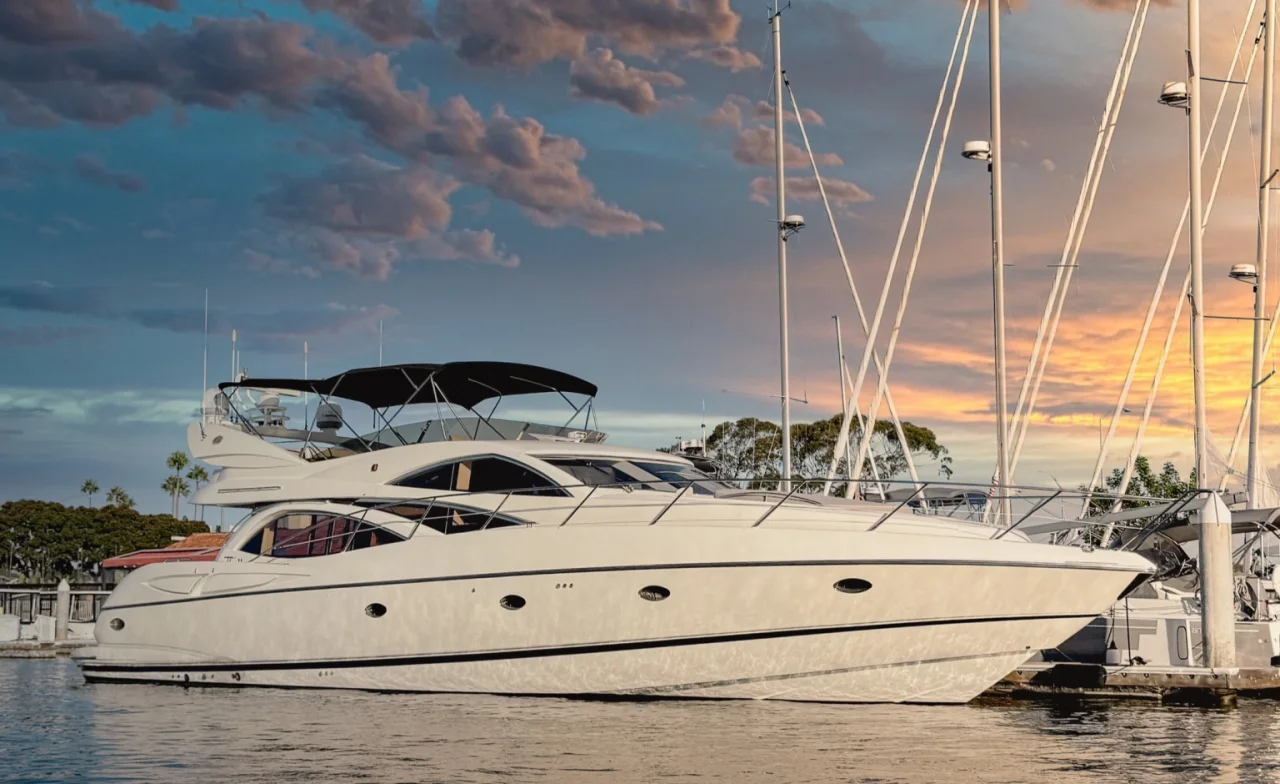
Start with the day, not the boat
A private charter can be a quiet afternoon with family, a birthday with room to move around, or a dinner where clients can actually talk. Those are different briefs. Before looking at photos, write one sentence about what you want guests to remember. It will help you distinguish a beautiful vessel from a suitable one.
Then decide what the day needs to make possible. Is the priority sitting together for a meal, spending time outdoors, taking photographs, or having several small conversations at once? If you have one nonnegotiable, name it early. A vessel that fits the headcount may still be the wrong setting for the gathering.
Set the guest list and a realistic time window
Use an estimated guest count, then mark who is definitely coming and who is still invited. Ask about any guests who may need easier boarding, a place to sit throughout the trip, shade, or a quieter area. Share those needs when you inquire; do not assume that every vessel can accommodate them in the same way.
Offer a preferred date and at least one workable alternative. Think about the time guests must be ready to arrive, the experience you want on board, and when the group needs to be back. A three-hour social gathering and a three-hour meeting have different demands, even if the clock is identical. Keep a little room around the event for arrivals and departures instead of filling every minute with planned activity.
A brief you can send in one message
Copy this list into your inquiry. Short, honest answers are more useful than a polished description that hides your constraints.
- Occasion: What are you celebrating or hosting, and what should the mood feel like?
- Market and dates: Where do you want to gather, what date is preferred, and which dates could also work?
- Guests: Estimated total, likely final count, age mix if relevant, and any boarding or comfort needs.
- Experience: Meal, conversation, music, photographs, sightseeing, or simply time together; rank your top two.
- Hospitality: Food and beverage preferences, dietary needs, and anything you plan to bring aboard.
- Working budget: A range you are comfortable discussing and whether timing, duration, or format is flexible.
- Decision timing: When you need a proposal and who will approve it.
If you do not know your final count or menu yet, say so. The useful distinction is what is fixed, what is an estimate, and what can change.
Ask questions that reveal the actual experience
Once a vessel is proposed, ask how the guest count works for your specific event setup, not just whether everyone can be aboard. Where would guests gather if they all wanted to sit at once? What space is available for dining, shade, or a presentation? Ask for a layout or a clear walkthrough of the areas your group would use.
Confirm the proposed boarding location and arrival instructions, the planned duration, the operating area's options, and any restrictions on outside catering, decorations, amplified sound, or photography. If someone needs a particular accommodation, describe the need plainly and ask the operator to confirm what is feasible. It is also worth asking what changes if weather affects the plan and when that decision is made.
AFT develops private-charter briefs and checks relevant professionally operated partner vessels; the vessel operator confirms operating details. The planning process explains when a proposal follows an inquiry.
Read the proposal as a plan, not a picture
Before committing, make sure the written proposal names the vessel, date, event hours, boarding location or how it will be confirmed, guest limit for your setup, included services, and any items still to be priced. Ask who is arranging food, beverage, staffing, or equipment and who has final approval of those choices. Read the payment schedule, change terms, cancellation terms, and weather policy in the same sitting.
If a detail appears only in a call or message, ask for it to be reflected in the final written scope. That is especially helpful when several people are planning the event. It keeps the host, planner, and operator working from the same version of the day.
Make the next step easy
You can begin before every detail is settled. Bring the brief, your best guest estimate, and the questions that matter most to your group. AFT's private-charter inquiry is the place to share them. An inquiry starts a review; any vessel, date, price, and terms are discussed through the proposal process.
Sources and further reading
This is an AFT planning guide, not a vessel-specific offer. The pages below explain AFT’s role and inquiry process.