
Marina del Rey: Harbor or Open Coast?
Start with the moment you want to create, then let the day’s conditions and the vessel shape the water plan.
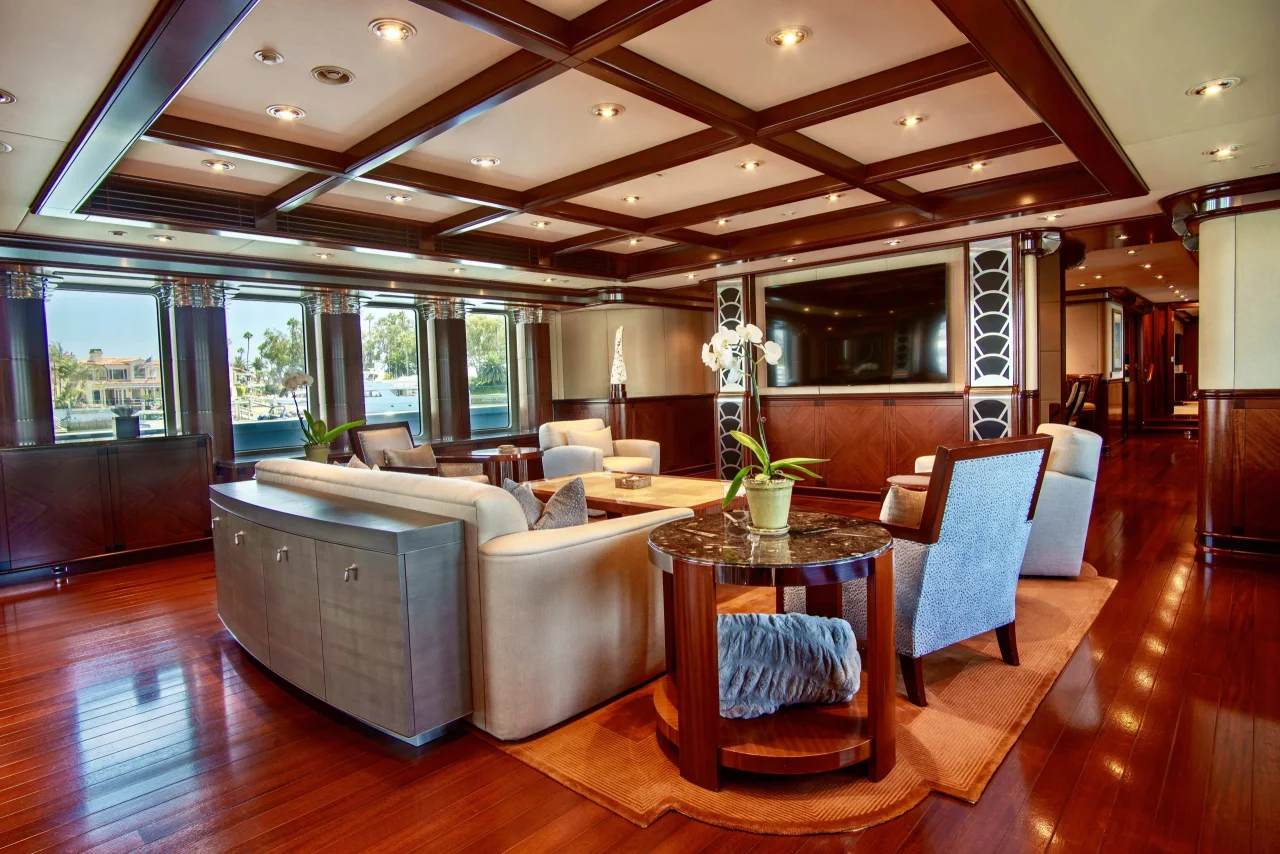
First, picture the gathering
Imagine your guests an hour into the day. Are they leaning into a long conversation over a drink, or gathering at the rail to take in a broader horizon? That picture is more useful than asking for a route before you know the vessel. A harbor-focused outing can put the social occasion first. An open-coast preference puts the setting and the sensation of being at sea closer to the center of the experience.
Neither is a quality tier. A birthday with grandparents, a client conversation, and a small group eager for sea air can call for three different plans. The right starting point is what your guests would remember: the company, the shoreline, or a balance of both. Tell AFT which part matters most, and ask what a professional operator can actually offer for your date.
What a harbor preference changes
Marina del Rey is a working recreational harbor with multiple basins, navigation rules, and other water users. The Los Angeles County Department of Beaches and Harbors lists a no-wake harbor speed limit of five nautical miles per hour. That slower pace can suit a gathering built around introductions, conversation, and looking closely at the waterfront. It also means that distance covered is a poor measure of whether the day is well spent.
Harbor water is still water, and its feel can change with wind, traffic, and the exact area traveled. Avoid treating the harbor as a promise of perfectly smooth motion. If someone in your group is sensitive to movement, say so early. Ask the operator how the proposed vessel and plan usually feel under the forecast conditions, and what adjustment is possible if comfort becomes the priority.
What the open coast adds
Outside the harbor, the outlook opens and the boat’s motion may become a larger part of the outing. For some groups, that is precisely the appeal: room for a quieter pause, a sense of distance from the city, and photographs with more sky and water. For others, it can compete with a seated meal or easy conversation. There is no fixed rule about how the coast will feel on a particular day.
The harbor entrance itself deserves an operator’s judgment. County guidance notes that shoaling can occur near the jetties and that reduced visibility calls for care. Guests need not solve navigation; they should know why an open-coast wish is a preference rather than a guaranteed passage. Ask whether the relevant vessel, route, and conditions support it, and when the operator makes that call.
A two-minute decision aid
Use these prompts to form a brief before discussing vessels:
- Choose harbor-led if your priority is a hosted conversation, a toast, or unhurried time together and the wider horizon is optional.
- Choose coast-led if being out on open water is the main reason to gather and your guests are comfortable making the plan responsive to conditions.
- Ask for a flexible brief if both appeal. State which experience wins if the operator advises against leaving the harbor.
This is a preference exercise, not a route selection. It helps your planner understand what to protect when time, vessel suitability, and weather have to be weighed together.
Give the occasion enough room
List the moments that would make the outing feel complete: greeting everyone aboard, a welcome drink, a meal, a presentation, portraits, or simply time to talk. A short window can feel rushed if the plan depends on getting far from the harbor before the main event begins. Ask where guests would be during a meal or toast and whether the preferred setting works with the vessel layout and weather.
Before inviting everyone, confirm the actual boarding location, arrival instructions, access needs, restroom arrangements, and any limits on catering or decorations. Do not infer these from a map of public marina facilities; charter logistics depend on the vessel and operator. It is also worth naming anyone who may prefer shade, seating, or a quieter place to step away from the group.
What to send when you inquire
Bring a preferred date or range, estimated guest count, occasion, and one sentence describing the feeling you want. Then ask: What water plan is possible on the proposed vessel? How much of the experience would take place in the harbor? Who decides whether open water is appropriate, and when? What happens if wind or visibility changes? The National Weather Service marine page is useful context, but the operator’s current assessment governs the trip.
AFT reviews Los Angeles charter inquiries and develops the guest brief with professionally operated partner vessels. If your group is ready to explore a private outing, see how private charters are planned. A conversation establishes the possibilities; it does not reserve a boat or promise a route.
Sources and further reading
Local context was checked against the sources below. Conditions and operating requirements can change; confirm the plan with the relevant operator.